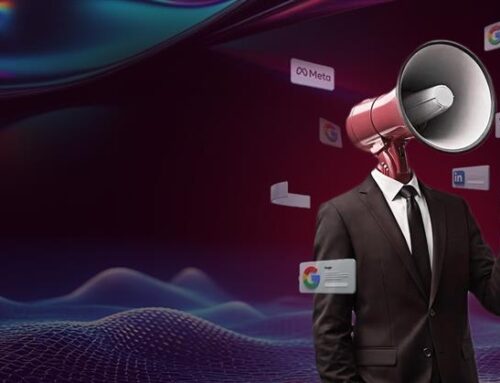
Let’s start with a simple truth.
Getting attention is easy.
Staying in someone’s mind is hard.
In Puerto Rico’s growing digital marketplace, businesses are investing in ads, social media campaigns, websites, and SEO. Visibility is increasing. Traffic is growing. But here’s the problem: most brands are forgotten within minutes.
If customers don’t remember you, they won’t return.
If they don’t return, they won’t refer.
And if they don’t refer, growth becomes expensive.
That’s why LABAAP focuses on something deeper than impressions and clicks — brand recall.
Research shows the human brain processes visuals 60,000 times faster than text, which explains why visual identity and emotional cues heavily influence memory formation.
Memorability is not accidental. It is engineered.
Let’s break down the psychology, strategy, and digital framework behind building a brand that truly sticks.
What Makes a Brand Memorable in Today’s Digital Market?
When people search, “How do you make your brand memorable?” they are really asking how to stay top-of-mind in a crowded space.
A memorable brand creates mental availability. That means when someone thinks of a category—marketing, web development, retail, fitness—your brand comes to mind instantly.
Awareness vs Brand Recall
Awareness means people recognize your logo when they see it.
Brand recall means they remember you without being prompted.
True growth happens when customers remember you organically.
Emotional Imprinting
Memorable brands connect emotionally. Humans remember feelings longer than features. A brand that makes someone feel confident, understood, or inspired is far more likely to be remembered.
Repetition With Consistency
Memory forms through repetition. But repetition without consistency creates confusion. A cohesive digital brand strategy ensures every interaction reinforces the same identity.
How Does Brand Psychology Influence Customer Memory?
Brand psychology in marketing explains how associations, emotions, and sensory triggers form long-term memory.
Emotional Memory Is Stronger Than Rational Memory
Harvard Business Review notes that emotionally connected customers deliver higher lifetime value than satisfied customers.
This reinforces a key principle: people may forget facts, but they remember how a brand made them feel.
Cognitive Associations Shape Recall
Your brand becomes memorable when it consistently links to certain ideas—innovation, reliability, creativity, luxury, affordability. Over time, those associations become automatic in the customer’s mind.
Pattern Recognition and Familiarity
Humans are wired to recognize patterns. Familiar color schemes, typography, and messaging create psychological comfort. Comfort strengthens recall.
How Visual Brand Identity Improves Brand Recognition Online
When users search for brand recognition strategies, they are often overlooking the power of visual systems.
Logo Psychology and Simplicity
A clean, distinct logo improves recall because the brain prefers simplicity. Overcomplicated visuals are harder to store and retrieve mentally.
Color Psychology and Emotional Signals
Colors trigger subconscious reactions. Blue often communicates trust. Red can signal urgency or passion. Consistent color usage strengthens emotional branding.
Typography and Layout Consistency
Typography shapes perception. Clean, modern fonts communicate innovation. Serif fonts may communicate tradition or authority. Consistency across digital touchpoints reinforces identity.
At LABAAP, visual identity systems are designed with memorability in mind—ensuring brand recognition strategies are intentional, not decorative.
Why Brand Consistency Increases Memorability Across Platforms
One of the most searched questions in branding is: “Why is consistency important for brand recall?”
The answer is simple: consistency reduces cognitive effort.
Cross-Platform Alignment
Your website, social media, ads, and email campaigns should feel like one unified experience. When customers encounter different tones or visuals, memory weakens.
Messaging Stability
A clear brand positioning strategy ensures that your core message doesn’t shift depending on the channel. Stability builds mental anchors.
Compounding Recognition
Every consistent interaction strengthens neural pathways. Over time, recognition becomes automatic.
This is why many businesses in Puerto Rico seek the guidance of a top branding agency in puerto rico—to ensure their identity remains cohesive across all digital channels.
How Emotional Branding Creates Stronger Customer Connections
If you want your brand to stick, you must move beyond features and into identity.
Identity-Based Marketing
Customers remember brands that reflect who they aspire to be. When your messaging aligns with your audience’s values, recall becomes emotional.
Storytelling and Relatability
Stories activate more areas of the brain than raw information. Brands that tell authentic stories create stronger mental impressions.
Community and Belonging
In Puerto Rico’s relationship-driven culture, brands that foster community build deeper memory associations. Emotional branding is particularly powerful in markets where word-of-mouth matters.
How Social Proof Strengthens Brand Authority Over Time
Brand memorability is reinforced at every digital touchpoint.
Website User Experience (UX)
A clean, intuitive UX ensures visitors associate your brand with ease and professionalism. Confusing interfaces weaken perception.
Retargeting and Repetition
Strategic retargeting ads reinforce familiarity. Familiarity builds trust, and trust improves recall.
Content Marketing and Value
Providing helpful, educational content strengthens authority and mental positioning. When customers associate your brand with expertise, they remember you in decision-making moments.
At Labaap, digital brand strategy integrates UX design, behavioral psychology, and performance optimization to ensure every interaction strengthens recall rather than dilutes it.
Why Some Brands Are Forgotten (And How to Avoid It)
Even strong businesses lose memorability due to common mistakes.
Generic Messaging
If your message sounds like everyone else’s, it becomes invisible. Differentiation is essential for brand positioning strategy.
Inconsistent Visual Identity
Frequent changes in logos, colors, or tone confuse the brain. Consistency supports brand recognition strategies.
Lack of Emotional Connection
Brands focused only on technical features fail to create emotional anchors. Without emotional triggers, memory fades quickly.
How Can Businesses Measure Brand Recall and Recognition?
Brand memorability is measurable.
Growth in Branded Search Volume
If more users are searching for your brand name directly, recall is improving.
Repeat Website Visitors
Higher return visitor rates indicate stronger brand memory.
Engagement Metrics
Time on site, social shares, and email open rates reflect recognition and familiarity.
Customer Retention Rates
Memorable brands retain customers more effectively than transactional ones.
Tracking these signals provides clarity on brand stickiness.
Why Memorable Branding Matters Even More in Puerto Rico
Puerto Rico’s business ecosystem is competitive yet relationship-centered.
In smaller markets, brand perception spreads quickly. Strong brand recall amplifies word-of-mouth influence. Cultural relevance, consistency, and trust become even more important.
Businesses that invest in digital brand strategy early create lasting differentiation.
Conclusion
Visibility gets clicks.
Memorability builds dominance.
Brand recall is not about louder marketing. It is about smarter psychology. When emotional branding, visual identity, consistency, and digital strategy align, your brand becomes mentally available at the moment of decision.
For businesses looking to strengthen long-term positioning, working with the best software developers in puerto rico ensures that technology supports branding—not just functionality.
At LABAAP, we believe brands should be designed for memory, not just metrics.
Because in digital markets, the brands that stick are the brands that scale.